
The Silent Collapse of Real Reading in American Schools
Why the shift away from physical books and fiction is harming comprehension, character, and critical thinking.

When was the last time your child read a full-length novel in school — a real, printed book they carried home, discussed in class, and finished cover to cover?
If you're struggling to remember, you're not alone. Across the country, schools are requiring less fiction, fewer full-length books, and moving steadily toward digital snippets and non-fiction "informational texts." But this shift has profound consequences — not only for literacy, but for the development of strong, independent thinkers.
The Reality: Schools Are De-Emphasizing Books and Fiction
Gone are the days when every student received a paper copy of a novel to read together as a class, with lively discussions led by teachers to build comprehension, vocabulary, and critical thinking.
Gone too are the days when textbooks anchored learning across subjects.
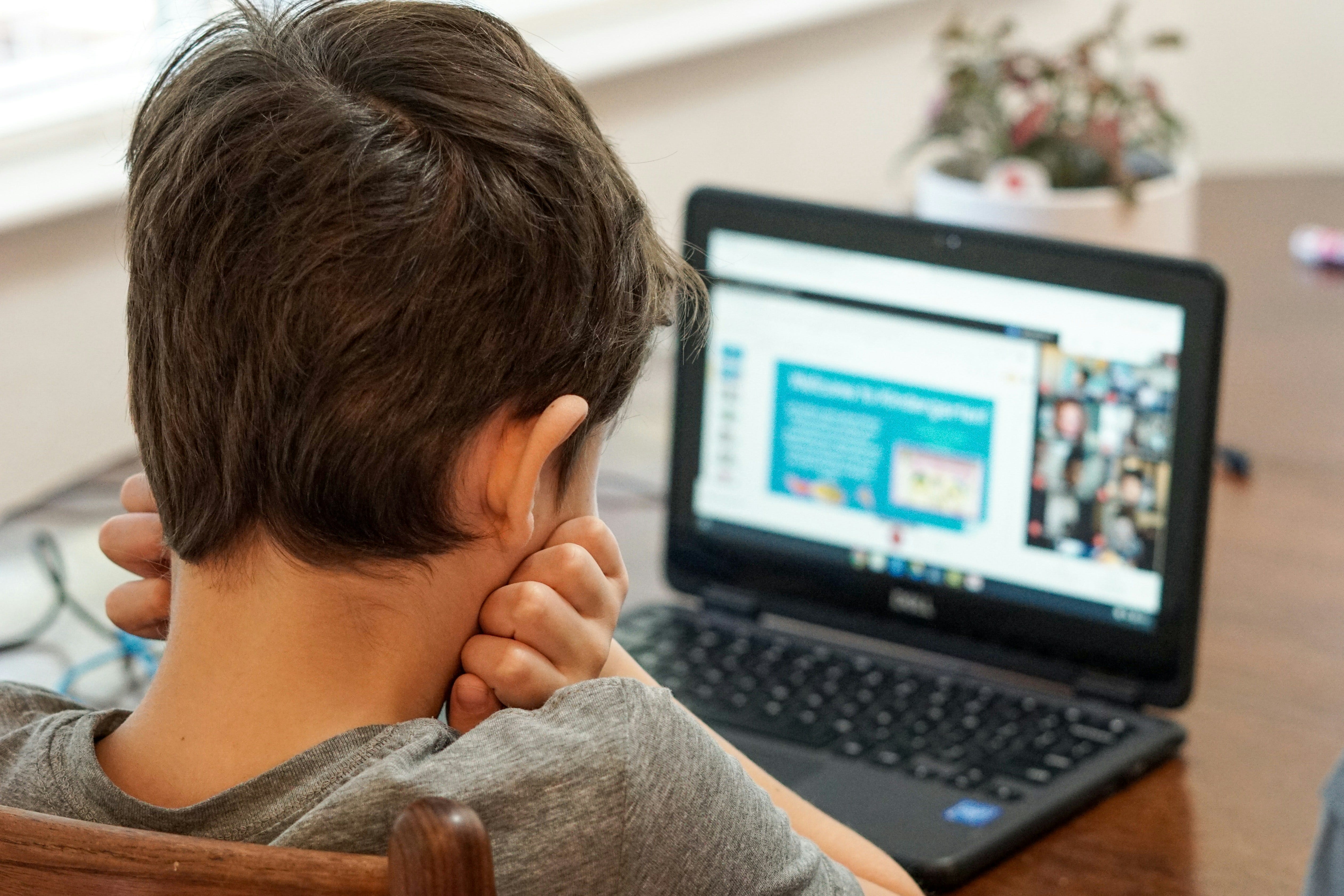
Instead, many students now read most, if not all, of their assigned materials digitally — and often in fragmented forms.
In English Language Arts (ELA), the shift is particularly stark. According to a statement from the National Council of Teachers of English (NCTE):
"The time has come to decenter book reading and essay-writing as the pinnacles of English language arts education."
In other words, traditional reading and writing — once the foundation of ELA — are being set aside in favor of "curricular innovation" focused on digital literacy and popular media texts.
Even if we grant that media literacy is important, it’s fair to ask: Why abandon the essential practices that actually build strong readers in the first place?
The Impact: Declining Comprehension, Shrinking Vocabulary, Shallow Thinking
Reading comprehension doesn’t just happen. It requires exposure to broad vocabulary, complex grammatical structures, sustained narratives, and a wide range of genres — in short, the kind of learning that full-length novels uniquely provide. Just as students cannot master multiplication without first learning addition, they cannot critically read modern media without first mastering deep, sustained reading.
The irony? Schools now lament that students struggle with reading comprehension, distinguishing journalism from opinion, or analyzing source reliability.
But rather than reinforce foundational skills, they're throwing students into the deep end of the information ocean — without teaching them how to swim.
The Flawed Logic of "Digital First"
Consider this: the architects of the digital world — the engineers, designers, and entrepreneurs who built the internet — were educated on physical books.
They mastered the printed word long before "digital natives" were imagined.
If deep readers could create and navigate the digital landscape, why assume today's students cannot — unless, of course, we deprive them of the deep reading practices that enable such mastery?
By sidelining fiction, novels, and sustained reading practice, we aren’t preparing students for the future. We’re leaving them stranded with shallow skills — and the data bears it out.
The Science: Reading on Paper Builds Stronger Minds
Modern neuroscience and education research strongly support what common sense already suggests: Students understand, retain, and critically engage with material better when they read on paper.
According to a ground-breaking study by Dr. Karen Froud and her team at Columbia University’s Teachers College, for "deeper reading," there is a clear advantage to reading a text on paper rather than on a screen, where "shallow reading was observed."
This finding echoes more than a decade of work by researchers like Anne Mangen, who consistently found that reading comprehension and learning retention are significantly stronger when students engage with printed texts.
A 2022 national study by Renaissance Learning, What Kids Are Reading, further confirmed that U.S. students are reading fewer full-length books and shifting toward shorter non-fiction selections.
Finally, a study from Mar, Oatley, & Peterson also showed that fiction reading — especially novels — builds complex reasoning, imagination, self-awareness, and emotional insight, all skills essential for academic and life success.
At Cogito Learning Center, We Stand with Science, Tradition, and Common Sense
At Cogito, we don’t see a logical connection between pushing more digital reading and expecting better comprehension. We see the opposite.
As teachers, tutors, and parents, we have witnessed firsthand the rapid decline in reading fluency, stamina, and comprehension since printed books were abandoned in favor of Chromebooks and screen-based curricula — well before COVID lockdowns accelerated the problem.
If your child struggles with reading fluency, stamina, or comprehension, it's not a coincidence. It's the result of an educational shift that has lost sight of the fundamental truth: Readers are made by reading real books.
At Cogito Learning Center, we are committed to restoring that foundation — through classic literature, sustained reading, critical discussion, and meaningful learning experiences.
Your child deserves more than fragments of knowledge.
They deserve the tools to think clearly, communicate wisely, and lead confidently.
And it all starts — once again — with a real book.

Resources For Further Reading:
If you’d like to explore more about why deep reading — especially reading fiction — matters for cognitive and emotional development, here are some excellent resources:
The Shallows by Nicholas Carr
Why Reading Fiction Matters by Philip Davis
Paper or Pixel by Naomi Baron
Lost in Thought by Zena Hitz
Proust and the Squid by Maryanne Wolf
Plus, some shorter articles:
How Reading Fiction Increases Empathy and Encourages Understanding (Discover Magazine)
At Cogito Learning Center, we believe real readers aren't built by screens and snippets — they’re shaped through full, meaningful engagement with books and ideas.
If you're looking for a place where your child can rediscover the joy of reading, build strong comprehension, and grow into a confident thinker, we invite you to explore our programs.
Explore Programs
It’s creeping into the UK as well - we’ve got Accelerated Reader and MyOn. I’ve been behind them for ages but I’m questioning it now.
I agree that reading books and writing essays are important. However, I’m not sure if there was ever a golden age where most students actually finished reading books and eagerly discussed them in class. I suspect this would be especially true of the original designers of the Internet, who were unlikely to have been novel readers.